
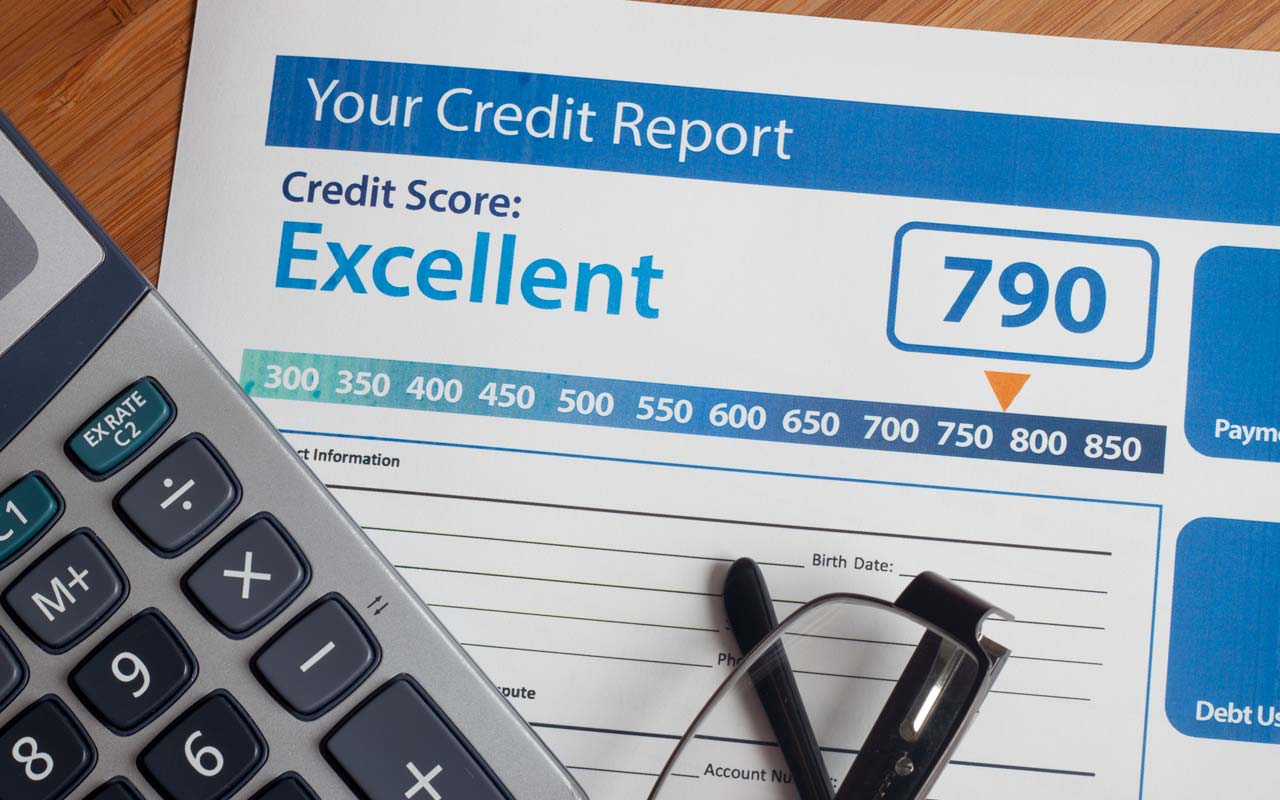

Credit scores are super important for your financial health and credibility. They show lenders how creditworthy you are, based on factors like payment history, how much credit you use, and length of credit history. Knowing these details is key for staying financially sound.
Payment history is a big factor in credit scores. Making payments on time shows reliability and trustworthiness, which is good for your credit score. But, missed payments or late payments can have bad effects on your credit score and overall money situation.
Credit utilization is another thing to think about. This is the percentage of available credit you use. Keeping this low shows you borrow responsibly, which helps your credit score.
Length of credit history also matters. The longer you have a good borrowing record, the better it looks for your financial stability. This shows lenders you can handle different kinds of credit over a long period, meaning they’ll be less risky.
Having a diverse mix of accounts can help your credit score too. Having a good combination of revolving accounts (like credit cards) and installment loans shows lenders you can manage financial obligations correctly.
To sum up, understanding the factors that affect credit scores – payment history, credit utilization, credit history length, and account diversity – means you can take steps to improve your financial standing, and get better opportunities from lenders and financiers.
Pro Tip: Check your credit report regularly and take action on any wrong info, to stay accurate and have a strong credit score for the long haul.
Importance of a strong credit score
A great credit score is key today. It can decide if you get a loan, job, or home. With an awesome score, you have more chances and financial freedom. So it’s key to know how to get and keep a strong credit score.
Making payments on time for loans, bills, and utilities shows money responsibility. And keeping the credit utilization ratio low by not maxing out your cards can help the score too.
Having different types of credit accounts helps too. This includes revolving accounts like credit cards and installment accounts like car loans or mortgages. Lenders like to see you can manage them responsibly.
John was an entrepreneur with an amazing business idea. He tried to get a loan from many banks, but his bad credit history meant constant rejection. So he worked hard to improve his credit score. Making payments on time and managing his debt well helped his score rise. Eventually, one bank noticed and gave him the loan he needed to make his dream come true.
Factors that affect credit scores
A super strong credit score – what affects it and how to make it better?
The secret to a great credit score lies in various factors. Let’s take a closer look at the important elements that affect it.
- Payment History: Paying your bills on time is essential to have an impressive credit score. Consistent payments show reliability and financial responsibility.
- Credit Utilization: The percentage of available credit you use also affects your score. To demonstrate responsible borrowing, keep your utilization below 30%.
- Credit Mix: The types of credits you have are important too. A mix of mortgages, car loans, and credit cards can show your ability to manage different financial obligations.
Other details, like the length of your credit history, also matter. Longer histories show stability and ease in managing credit, which can help you get good loan terms.
Did you know FICO is one of the companies that calculates credit scores? Their algorithms evaluate creditworthiness accurately.
Knowing the factors that influence your credit score helps you make it better. By staying on top of payments, moderating credit utilization, and having a mix of credits, you can increase your chances of getting favorable loan terms.
How to check your credit score
Uncover the mystery to a powerful credit score by understanding how to check it. Follow this simple guide to gain knowledge of your financial health:
- Go to a credit bureau website like TransUnion, Equifax, or Experian.
- Find the ‘Credit Score’ section.
- Enter your details: name, social security number, and address.
- Confirm your identity through security questions or documents.
- Review the report and spot any errors.
- Check your credit score and study factors that affect it.
Remember: Regularly checking your credit score can help you keep track of changes and troubles. By learning about your financial status, you can take measures to maintain a strong credit profile.
For further enlightenment regarding how to check your credit score effectively, here are some unique details.
Unveiling the secret to a strong credit score needs monitoring all three major credit bureaus – TransUnion, Equifax, and Experian. Each bureau may have different information about your credit history and scoring models used to calculate your credit score. Therefore, it’s important to check all three reports for a complete overview of your financial standing.
James Carlson’s story in 2015 is a good example of the importance of checking one’s credit score. He assumed he had great credit until he applied for a mortgage loan – and his application was denied due to an incorrect negative mark on his credit report. If James had checked his credit score regularly before applying for the loan, he could have corrected the mistake before it affected his application.
Tips for improving your credit score
Building a strong credit score is imperative for financial stability and obtaining credit. It can seem hard to increase your credit score, but with the right tips and tactics, it is attainable. Here are three main points to keep in mind when trying to raise your score:
- Always pay bills on time: Late payments can have a huge adverse effect on your credit score. Ensure you pay your debts, such as loans, credit card bills and utilities, promptly and consistently.
- Keep credit card balances low: High credit card balances can harm your credit score. Aim to keep your balances below 30% of your total available credit limit. This indicates to lenders that you are in control of your debt.
- Examine your credit report regularly: Examining your credit report enables you to detect any mistakes or fraudulent activities early on. Get a free copy of your report from each of the three major credit reporting agencies each year and examine it carefully for inaccuracies.
It’s also important to think about diversifying your credit mix. Having a balanced combination of different kinds of accounts, such as installment loans and revolving accounts like credit cards, shows that you can manage various kinds of debt responsibly.
It’s worth noting that some companies provide services claiming to rapidly improve or fix a bad credit score. But, it’s essential to be careful as these claims are often too good to be true and can potentially cause further financial trouble.
As per Experian, one of the top global information services companies, consistent payment patterns are key in creating a strong credit history (www.experian.com).
Remember – it takes time and determination to improve your credit score. By following these suggestions and being proactive in managing your finances, you can make significant progress towards achieving a better financial future.
Common credit score myths debunked
Credit scores are essential for financial stability and trustworthiness. Here, we’ll expose some common credit score myths, to help you understand better how credit scores work.
- Myth 1: Closing unused credit cards increases your score.
- Myth 2: Checking your credit score hurts it.
- Myth 3: A high income always equals a high score.
- Myth 4: Paying off debt instantly boosts your score.
- Myth 5: Credit reports and scores are the same.
Contrary to what many think, closing unused credit cards can hurt your score. People think fewer lines of credit would give higher scores, but it decreases available credit, leading to a higher utilization ratio, and thus a lower score.
Checking your own credit score has no bad effect. This wrong belief stops people from regularly monitoring their scores. Remember, being aware is the key to maintaining good financial health.
Having a high income does not mean having a high credit score. Lenders may consider income when looking at loan requests, but payment history and debt utilization are more important for the scoring model.
Paying off debts fast is great, but it won’t immediately raise your score. Creditors need time to reflect improvements in the scoring system.
Credit reports and credit scores are not the same thing. Reports have detailed info about borrowing history; scores are numerical representations based on that data.
Experian, one of the major consumer reporting agencies, says late payments can greatly influence your score. To keep a strong financial standing, you must prioritize timely payments.
Knowing the facts about common credit score myths allows people to make wise financial decisions. By revealing these misconceptions, we create a more transparent and exact comprehension of credit scoring.
The importance of monitoring your credit score
Monitoring your credit score is a must for financial success. It can get you low-interest loans and good insurance rates. Check your score regularly to spot errors or problems that could hurt your finances.
Track your progress over time. If you make payments on time and keep debt low, your credit score will go up. This could mean lower loan rates and savings in the future.
Also, you can spot identity theft or fraudulent activity. Cybercrime is rising, so keep an eye on your credit report. Look out for unauthorized accounts or suspicious activities. Protect yourself if you see something wrong.
Pro Tip: Sign up for alerts from a credit monitoring service. Knowing what’s happening with your credit score will give you control of your financial future.
Final thoughts and conclusion
The need for a solid credit score can’t be overstated. It’s essential for our financial futures and securing better opportunities. Knowing the secrets to improving our credit ratings can ensure a secure and prosperous future.
Payment history is a key factor. Consistent payments on time is absolutely essential for a strong credit score. Late or missed payments can harm our creditworthiness and block us from getting loans or low interest rates.
Credit utilization is also important. This is the percentage of available credit we use. Keeping this ratio low, ideally under 30%, shows lenders we’re not overly dependent on credit.
Having a good balance between revolving accounts (e.g. credit cards) and installment loans (e.g. mortgages or auto loans) is also beneficial. It shows we can handle different types of debt responsibly.
Let’s take the case of John. He faced an unexpected financial crisis, leading to late payments, high utilization, and a plummeting credit score.
John took action. He made a budget plan, prioritized payments, and reduced his debts. Gradually, he saw improvements in payment history and utilization rates.
John applied for new credit lines carefully and kept low balances. With discipline and determination, he managed to significantly rebuild his credit score.
Frequently Asked Questions
FAQs – Discover the Secrets to a Strong Credit Score
Q: What is a credit score?
A: A credit score is a three-digit number that represents your creditworthiness. It is a measure of how likely you are to repay your debts based on your credit history.
Q: Why is having a strong credit score important?
A: A strong credit score is crucial because it affects your ability to obtain credit, such as loans or credit cards, and the interest rates you’ll receive. It can influence your ability to rent a home, get insurance, or even secure employment.
Q: How can I improve my credit score?
A: Improving your credit score involves several factors such as making payments on time, keeping credit card balances low, maintaining a healthy credit utilization ratio, and avoiding unnecessary credit applications.
Q: How long does it take to build a strong credit score?
A: Building a strong credit score takes time and consistent efforts. Generally, it can take several months to a few years to see significant improvements depending on your credit history and the steps you take to improve it.
Q: Does checking my credit score frequently affect it negatively?
A: No, checking your credit score does not affect it negatively. Checking your own credit score is considered a “soft inquiry” and has no impact on your score. However, too many “hard inquiries” from lenders can have a slight impact on your score.
Q: Can I still get a loan with a bad credit score?
A: It might be more challenging to obtain a loan with a bad credit score, but it’s not impossible. You may have to explore alternative options such as secured loans or loans with higher interest rates. Building your credit score over time will also increase your chances of getting loans with favorable terms.