
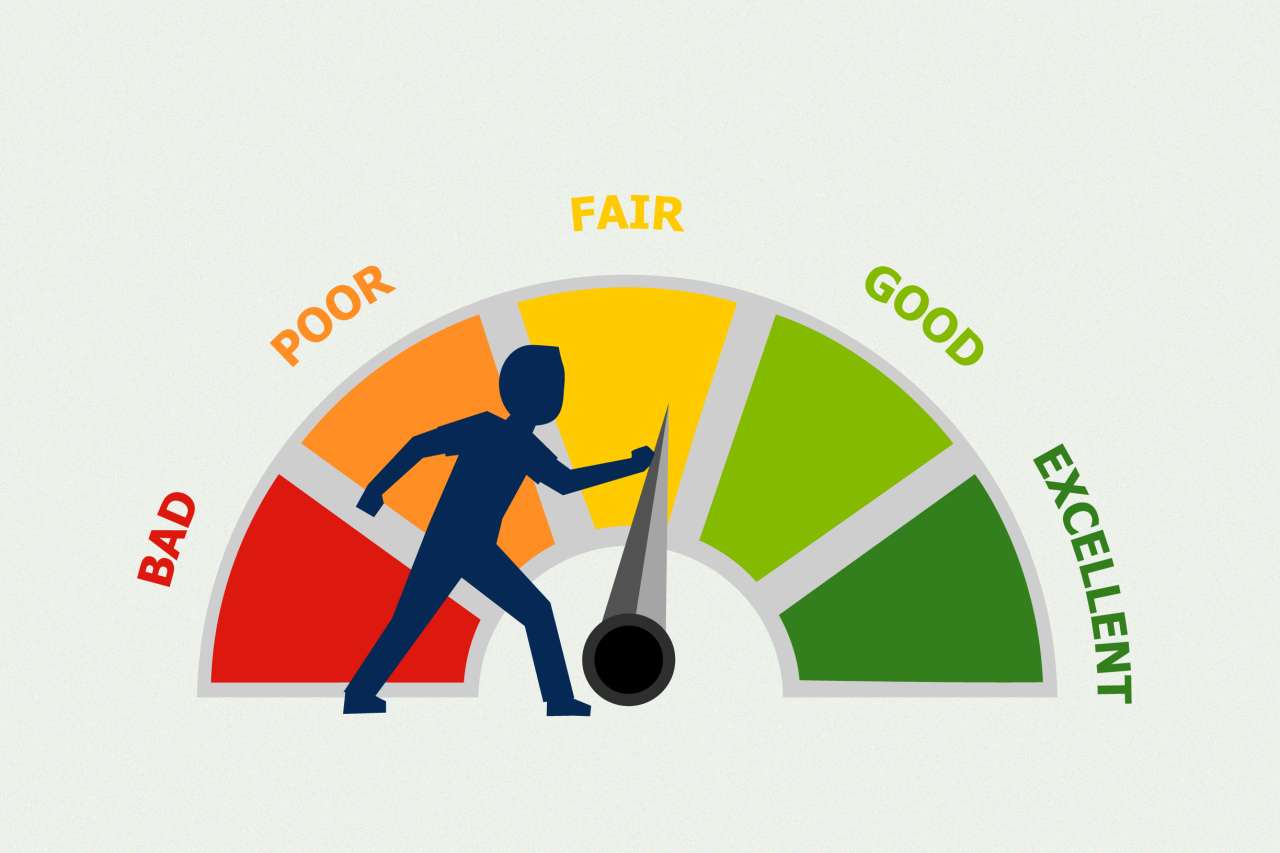

Are you tired of being rejected for loans or credit cards because of a low credit score? Don’t worry; you’re not alone. Many people struggle with maintaining a good credit score. However, it’s not impossible to improve your credit score with some tips and tricks. In this article, we’ll discuss what a credit score is, why it’s important, and how you can improve it.
Table of Contents
- What is a Credit Score?
- Why is Your Credit Score Important?
- Factors That Affect Your Credit Score
- Payment History
- Credit Utilization
- Length of Credit History
- Types of Credit Used
- Recent Credit Inquiries
- Tips and Tricks to Improve Your Credit Score
- Pay Your Bills on Time
- Keep Your Credit Utilization Low
- Maintain a Long Credit History
- Diversify Your Credit Portfolio
- Limit New Credit Inquiries
- Check Your Credit Report Regularly
- Consider a Secured Credit Card
- Conclusion
1. What is a Credit Score?
Your credit score is a three-digit number that represents your creditworthiness. It’s a numerical representation of your credit history and is used by lenders and creditors to determine whether you’re a good candidate for credit. Credit scores range from 300 to 850, with higher scores indicating better creditworthiness.
2. Why is Your Credit Score Important?
Your credit score is important because it’s used to determine whether you’re eligible for loans, credit cards, and other forms of credit. A good credit score can help you get approved for credit and may even qualify you for better interest rates and terms. On the other hand, a low credit score can make it difficult to get approved for credit and may result in higher interest rates and fees.
3. Factors That Affect Your Credit Score
Several factors can affect your credit score, including:
3.1 Payment History
Your payment history is the most crucial factor in determining your credit score. It represents 35% of your credit score and shows whether you’ve paid your bills on time. Late payments, collections, and bankruptcies can negatively impact your credit score.
3.2 Credit Utilization
Credit utilization is the amount of credit you’re using compared to your credit limit. It represents 30% of your credit score and can impact your credit score negatively if you’re using too much of your available credit.
3.3 Length of Credit History
The length of your credit history represents 15% of your credit score. It takes into account the age of your oldest credit account, the age of your newest credit account, and the average age of all your accounts. Generally, a longer credit history is better for your credit score.
3.4 Types of Credit Used
The types of credit you have also impact your credit score. It represents 10% of your credit score and takes into account whether you have a mix of credit accounts, such as credit cards, auto loans, and mortgages.
3.5 Recent Credit Inquiries
Every time you apply for credit, a hard inquiry is added to your credit report. Too many hard inquiries can negatively impact your credit score. It represents 10% of your credit score.
4. Tips and Tricks to Improve Your Credit Score
Improving your credit score takes time and effort, but it’s not impossible. Here are some tips and tricks to help you improve your credit score:
4.1 Pay Your Bills on Time
The most important thing you can do to improve your credit score is to pay your bills on time. Late payments can have a significant impact on your credit score, so make sure you pay your bills before the due date.
4.2 Keep Your Credit Utilization Low
Credit utilization is the second most important factor in determining your credit score. To keep your credit utilization low, try to keep your balances below 30% of your credit limit. If you can’t pay your balance in full, make sure you pay more than the minimum payment.
4.3 Maintain a Long Credit History
The length of your credit history is also important. To maintain a long credit history, keep your oldest credit card account open, even if you’re not using it anymore. This will help improve the average age of your credit accounts.
4.4 Diversify Your Credit Portfolio
Having a mix of credit accounts, such as credit cards, auto loans, and mortgages, can improve your credit score. However, make sure you can afford the payments on all your accounts before opening new ones.
4.5 Limit New Credit Inquiries
Every time you apply for credit, a hard inquiry is added to your credit report. Too many hard inquiries can negatively impact your credit score, so limit new credit inquiries as much as possible.
4.6 Check Your Credit Report Regularly
It’s important to check your credit report regularly to make sure there are no errors or fraudulent accounts. You’re entitled to a free credit report from each of the three credit reporting agencies once a year.
4.7 Consider a Secured Credit Card
If you’re having trouble getting approved for a credit card, consider a secured credit card. A secured credit card requires a security deposit, which serves as collateral in case you don’t make your payments.
5. Conclusion
Improving your credit score takes time and effort, but it’s worth it. By following these tips and tricks, you can improve your credit score and qualify for better credit terms and interest rates. Remember to pay your bills on time, keep your credit utilization low, and check your credit report regularly.